
A Life of Abundance
Plus: what does Judaism have to say about extraterrestrials?
Welcome back to Chutzstack, the Substack for Chutzpod listeners – or our Chutzsquad!
This Substack gives you a weekly dose of Chutzpod to keep you learning and pondering life’s questions, both big and small, and a community space to connect with each other.
You can support Chutzpod by subscribing to the podcast and donating today.
July 17, 2026 // 3 Av, 5786
This week, Rabbi Shira talks about abundance, and what we can do when our basic needs are met.
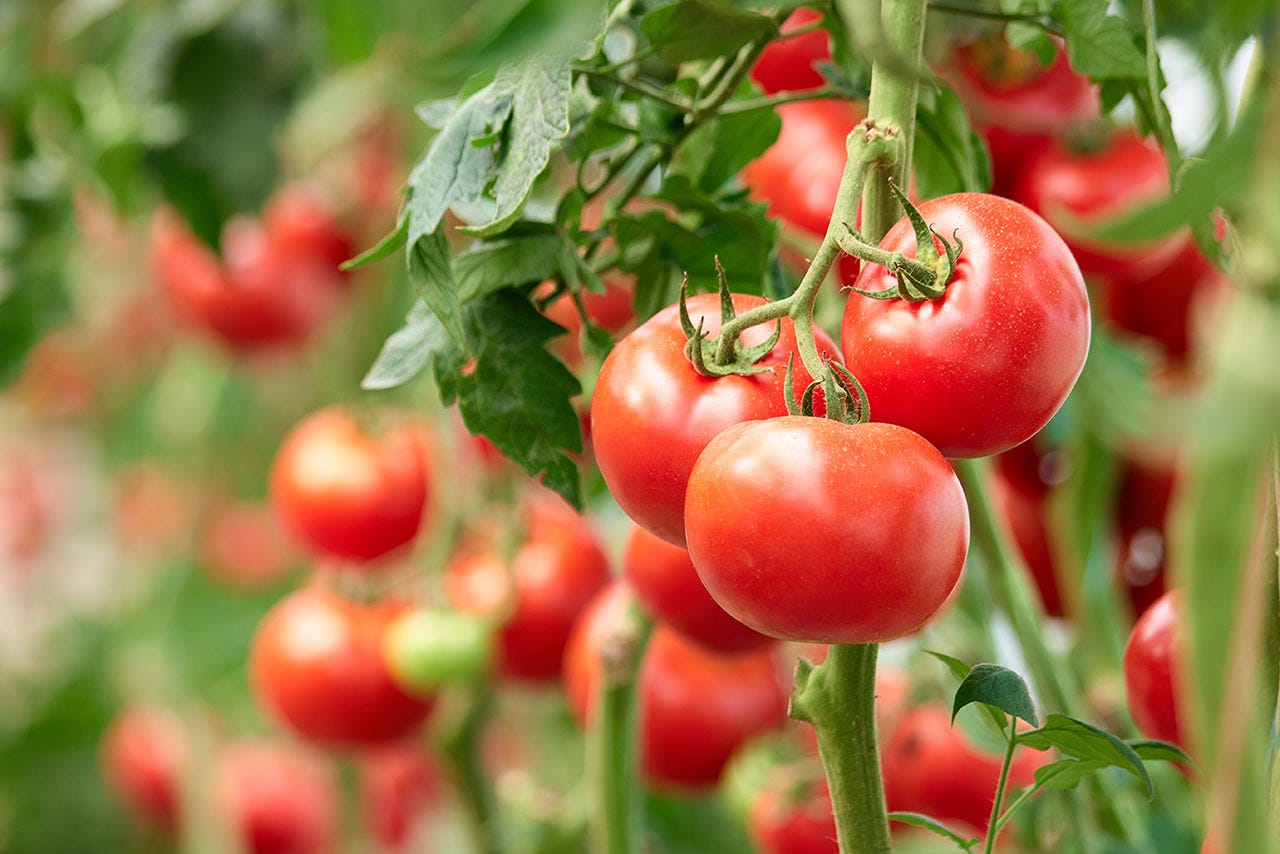
A few years ago, I decided we’d start a small garden in our back yard. So we did. We tended it through a steamy DC summer, in a neighborhood filled with squirrels and deer, and ended up with exactly one edible tomato.
My husband rightly pointed out that this tomato, which none of us ate because none of us like tomatoes, cost us about $100.
We quickly realized that summer that gardening -- what used to be survival -- was, thank God, optional. And it turns out to be almost exactly what Moses is talking about at the start of this week’s parsha.
Deuteronomy opens with Moses looking backward. He’s an old man now, at the edge of the land he’ll never enter, and spends most of this book recapping forty years of wandering to the generation about to cross over without him. Mostly, it’s a litany of complaint and hardship: the Israelites schlepped, grumbled, got most things wrong. But tucked into that recap is this remarkable line:
“Indeed, the ETERNAL your God has blessed you in all your undertakings, watching over your wanderings through this great wilderness; God has been with you these past forty years: you have lacked nothing.” (Devarim 2:7)
“You have lacked nothing” is a strange thing to say to a generation that spent 40 years complaining about exactly what it lacked. In the rabbinic imagination, the Israelites’ clothes and shoes didn’t wear out for forty years in the desert. Whatever else was hard, the baseline of survival was handled.
For most of Jewish history, that baseline was very much not handled -- it was the whole job. Growing the food, preparing it, making the clothes, cleaning up after all of it: that’s where people’s hours went, and people made it bearable by doing it together, in groups, so the labor came with company attached.
It is a recent development -- a blink of human history -- that so many of us get to live without that being our daily work. It takes ten minutes to buy vegetables at the store that would have taken months to grow. We throw clothes in a machine instead of making them by hand, and they never get the chance to wear out.
Our ordinary daily life, on a communal level, mirrors the miraculous existence Moses describes for the Israelites. Caretaking still takes real time, but the raw production of our own food and clothing is no longer where most of us spend our hours. I’d venture that just about all of us in this room have arrived at “you lack nothing.”
So here’s the question I want to sit with: now what? What do we do, spiritually, when subsistence is no longer what we’re striving for? What do we lose when we get to take our basic sustenance for granted, and what do we gain?
Rashi has one answer. Commenting on this passage, he says: even when you feel poor, don’t act that way -- act like a rich person, moving through the world graciously, generously, self-assured.
I like that answer, but not enough -- it only really works alongside another Rashi comment, this one from Genesis. He notices that God created the seeds and potential for every tree and green thing on earth -- but withheld rain until the human existed, understood what the world needed, and prayed for it. Rashi’s read: God wanted a relationship with humanity born out of need, desire, yearning.
Maybe Abraham Maslow was onto something: you cannot do the work of meaning-making, of Torah, of spiritual life, from a place of true material desperation. Stability isn’t the enemy of depth. It’s usually the precondition for it.
But recognizing that we have enough -- too much, even -- doesn’t mean we got here on our own. What God wants from Adam isn’t need for its own sake; it’s acknowledgment that this isn’t happening by effort alone. Being grounded enough to turn toward bigger questions of meaning and purpose starts with admitting that.
It’s true for all of us. Our needs get met because we are standing inside centuries of networks -- families, communities, systems -- that built the world we live in. We eat because someone picked the fruit. We wear clothes someone else sewed. We work hard, inside systems of class and economics that don’t hand out opportunity evenly.
So our task isn’t just gratitude, and it isn’t just guilt either. It’s this: if our needs are met, what are we free to create, now that survival isn’t consuming all our hours? And most importantly -- since we know what abundance feels like -- what part do we have in making sure it feels that way for everyone, not just those of us lucky enough to have a garden as a hobby instead of a lifeline?
That garden, in the end, produced exactly one tomato nobody in my house wanted to eat -- after $100 and a whole summer of effort. We could afford to fail, completely, at feeding ourselves, and walk away with nothing but a story. That’s what real abundance looks like -- the ability to lose badly at subsistence and be perfectly fine.
But that abundance was never something we built alone, any more than the Israelites conjured their own manna. It came from generations of people we’ll never meet -- the networks, the systems, the labor that quietly holds all of us up. My great-grandparents didn’t have that safety net. Huge parts of the world still don’t.
So here’s what I want to leave you with, instead of the tomato: the same networks that make our abundance possible are exactly what’s missing for people who still don’t have enough. Living with a sense of abundance requires not just the confidence of the Rashi of Deuteronomy. It also requires the memory of the Rashi of the book of Genesis, understanding we didn’t get here alone -- extending that web beyond ourselves to whomever it hasn’t yet caught.
Support!
If Chutzpod has kept you company on a walk, on a drive, maybe improved your mood at some point, or made you feel a little bit more steady in a wobbly world, please consider making a donation to our show. Even $5/month helps us keep Chutzpod running, and builds our community into the warm, inviting, funny space that you know and love.
Listen
Our next season is just around the corner. Don’t forget to catch up on last season before we launch again this fall!
Connect
Make sure you’re following Chutzpod, Shira and Hanna on social media.
Follow Hanna on Instagram
Follow Shira on Instagram
Follow Shira on Facebook
Follow Chutzpod on Facebook
Follow Chutzpod on Instagram
Before we go
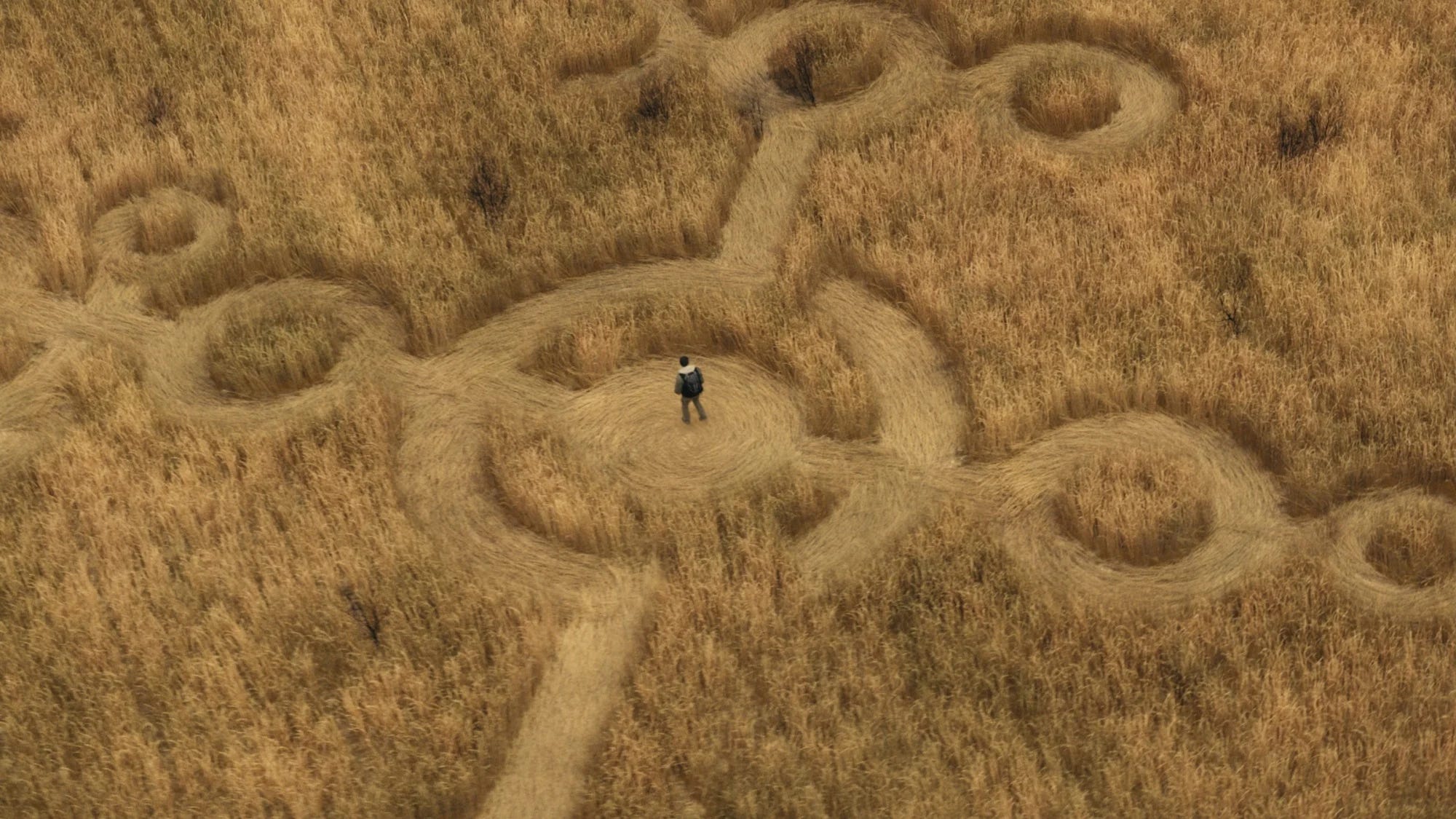
We saw Disclosure Day and have our minds on aliens. What do you think about extraterrestrials, and what do you think the possibility of alien life means for Judaism? Send us your questions about alien life, space, and the wider universe at chutzpod@gmail.com.
Don’t forget to share your thoughts in the comments, listen, send us your questions, and donate.
Shabbat Shalom Chutzsquad!