
A Moment Just for You
Plus: a listen back on our last season, and a musical soundtrack recommendation.
Welcome back to Chutzstack, the Substack for Chutzpod listeners – or our Chutzsquad!
This Substack gives you a weekly dose of Chutzpod to keep you learning and pondering life’s questions, both big and small, and a community space to connect with each other.
You can support Chutzpod by subscribing to the podcast and donating today.
January 30, 2026 // 12 Shevat, 5785
This week, Rabbi Avigayil Halpern and Shira wrote about finding connection with God:
The Song at the Sea is one of the most ancient pieces of Jewish liturgy. Finally freed from enslavement, the Israelites, led by Moses and Miriam, burst into a song of praise and gratitude. The song is wide-ranging, discussing God’s revenge on the Egyptian tormentors as well as God’s power and the Israelites’ gratitude. One particularly notable line, the second in the poem, is as follows:
zeh Eli v’anvehu, Elohei avi v’aromimenhu: “This is my God whom I will adore; the God of my father, whom I will exalt.” (Exodus 15:2)
This line sets up a split relationship with the Divine: on one hand, this is MY God – a personal relationship, one where each person connects to holiness on their own terms; on the other, this same God is “the God of our ancestors” – modes of spirituality that we are in relationship with because we have inherited them, whether from our parents directly or a more diffuse communal historical connection.
The Jewish theologian Rabbi David Hartman z”l notes this tension, but calls it a “vital dialectic” – in other words, a necessary and generative push and pull rather than a problematic contradiction. He writes, “Loyalty to the God about Whom our fathers told us does not exclude the discovery of new insights and experiences that lead one to say, ‘This is my God.’ The past does not exhaust all that is possible within one’s covenantal relationship with God.”
In other words, our religious inheritance, the stories and rituals that we carry in community, are not barriers to building independent relationships with holiness. Judaism is a rich and deep heritage, and we carry the gift of thousands of years of text, practice, and tradition with us. But this can also feel, at times, like a heavy burden. We are bringing so much with us – and with this history, how can we find God on our own terms, in relationship with our own needs and experiences?
Rabbinic interpreters of the Torah treat the word “this” as a code word. “Zeh,” in Hebrew means that someone is literally pointing at something they can see. “Zeh” means there is something concrete being referenced by the speaker.
So, what can it possibly mean for the Israelites to sing “zeh Eli,” this is my God? What are they pointing at?
Paraphrasing earlier traditions, the medieval commentator Rashi says, “In God’s glory did God reveal Godself to them and they pointed to God— as it were — with the finger exclaiming ‘This is my God!’ A maid servant beheld at the Red Sea what even the prophets never saw.”
Rashi is saying that the phrase “this is my God” means that the people saw God so clearly that they were able to point to God! And even more so, the levels of prophecy were so intense that the people lowest on the social ladder during the Exodus saw more of God than the greatest prophets of other eras!
How many of us have ever had an experience of transcendence that is even remotely close to this? Commenting on this tradition, Rabbi Dr. Erin Leib Smokler writes that “one central impulse in the spiritual quest for immediacy is the longing to be able to say “zeh,”—that is, to encounter God in ways that are present, powerful, palpable….The spirituality of “zeh Eli” demands a relationship with the divine that is intense and deeply felt. It asserts that there is a live Other to whom one can point.”
So much of our Judaism takes place in community – both the direct, present-tense community of synagogues and dinner tables and the cross-historical community we are in with the people who came before us. But this should not be our only way in. When was the last time you sought out a solo experience of the holy – however you define it? Have you ever prayed alone, whether in your living room or on a mountaintop?
Personalized experiences of spirituality, in the US today, are often commodified – we can buy a crystal or a candle, or read a book. But Judaism, too, has built-in tools for cultivating a personal relationship with the Divine.
The eighteenth-century mystics innovated a practice called “hitbodedut” - literally, “aloneness.” Basically, you go into nature and speak to God out loud. If this is too unstructured for you, you can pray Jewish prayers from a prayerbook. Notice: How does it feel to pray alone? Does it feel like prayer? Like something else?
Entering this new week, I invite you to seek moments of solo connection. Judaism is all of us, together – but the Divine also is waiting for each of us, as individuals.

Listen
We’re off for a short break, but catch up on all episodes from our latest season now!
Support!
If Chutzpod has kept you company on a walk, on a drive, maybe improved your mood at some point, or made you feel a little bit more steady in a wobbly world, please consider making a donation to our show. Even $5/month helps us keep Chutzpod running, and builds our community into the warm, inviting, funny space that you know and love.
Connect
Make sure you’re following Chutzpod, Shira and Hanna on social media.
Follow Hanna on Instagram
Follow Shira on Instagram
Follow Shira on Facebook
Follow Chutzpod on Facebook
Follow Chutzpod on Instagram
Before we go
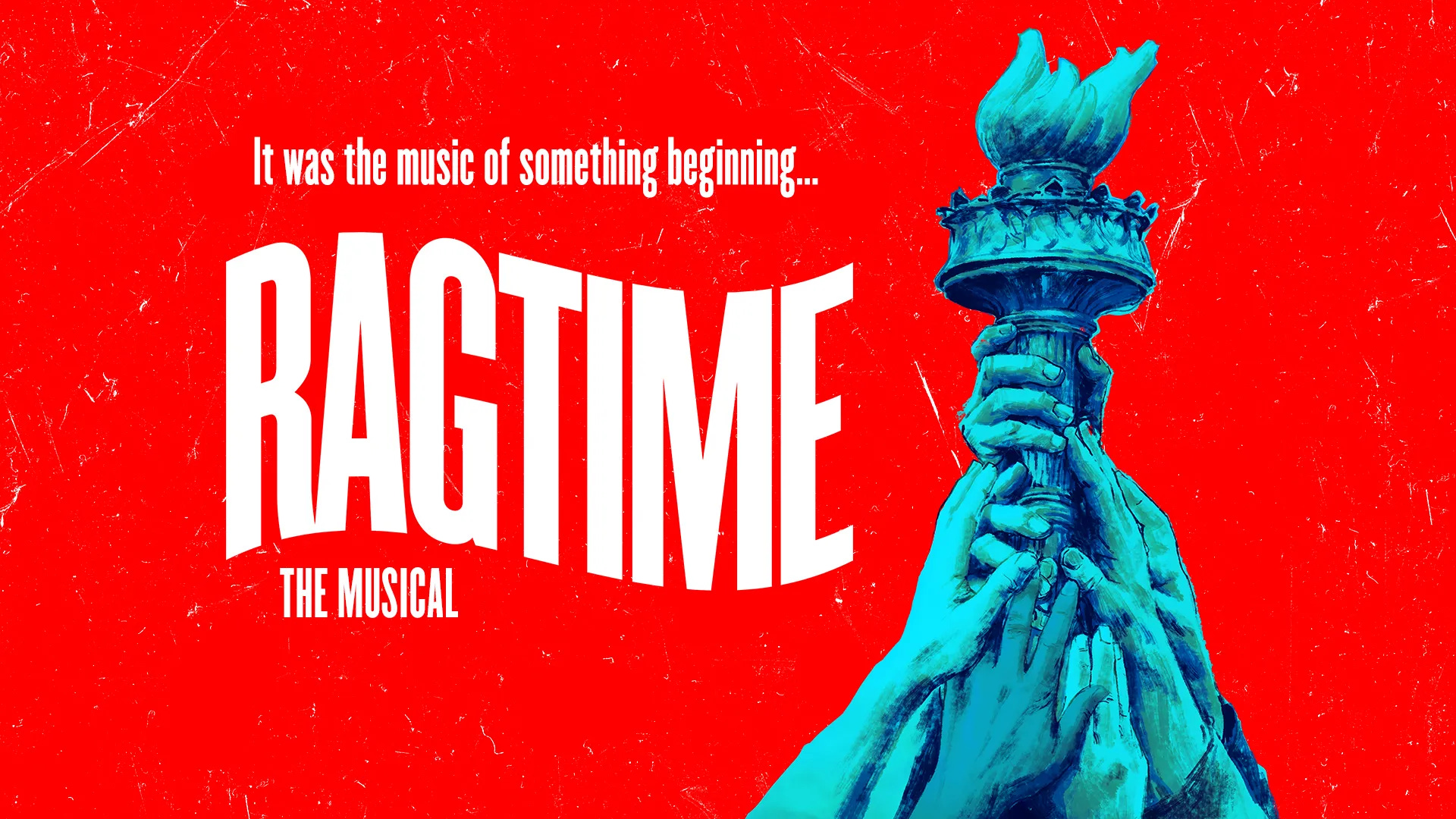
Have you heard the soundtrack for the new Ragtime revival on Broadway? The show features, among many other important and moving stories, the tale of a Latvian Jew named Tateh and his daughter starting a new life in America in the early 20th century. It also references rich moments of Jewish history, like Emma Goldman speaking in Union Square in favor of unionization and labor reforms.
Don’t forget to share your thoughts in the comments, listen, send us your questions, and donate.
Shabbat Shalom Chutzsquad!
Loved the distinction between inherited spirituality and personal discovery. The hitbodedut practice reminds me of similar traditions in other faiths where speaking aloud to the divine helps make the relationship more tangible. I've always found it interesting how communal religions build in mechanisms for solo practice, almost like they recognized early on that group experience can't be the only path. The pointng at God metaphor from the Red Sea passage is wild.