
The Sound of Silence
Plus: Hanna's mom is on the podcast, and a new cookbook catches our eye
Welcome back to Chutzstack, the Substack for Chutzpod listeners – or our Chutzsquad!
This Substack gives you a weekly dose of Chutzpod to keep you learning and pondering life’s questions, both big and small, and a community space to connect with each other.
You can support Chutzpod by subscribing to the podcast and donating today.
April 10, 2026 // 23 Nisan, 5785
One of the worst things religious people do is try to explain away other people’s pain: “They’re in a better place now.” “This is God’s way.”
Something terrible happens, and almost immediately, probably because of our own discomfort, somebody rushes in to explain it or find meaning in it.
It’s a human instinct that goes all the way back to the Torah.
In this week’s portion, Shmini, the Mishkan, the sacred Tabernacle, has finally just been dedicated. And then, almost immediately, disaster. Aaron’s sons, Nadav and Avihu, bring what the Torah calls esh zarah, strange fire, an offering that God had not commanded. And then fire comes forth and consumes them. They die on the spot.
It is abrupt. It is terrible. And there is no reason given why.
So Moses turns to his brother Aaron, who has just lost two sons, and does this very human thing of trying to give a reason, a meaning to this terrible moment:
“This is what God meant by saying: Through those near to Me I show Myself holy.”I don’t even know what that means, but I have compassion for Moses, talking into an unbearable pain. Maybe he is trying to offer comfort. But it doesn’t do the trick.
Because Aaron’s response (or really, his non-response): Vayidom Aharon. And Aaron was silent.
Aaron could have done so many things. He could have agreed. He could have protested. Instead: silence.
And I believe that silence is supposed to be instructive: Nope, it says, right now we are going to just sit in sadness. We are not going to give these deaths meaning. That’s not what I want.
In the Biblical book of Kings, we find the prophet Elijah hiding in a cave. He is exhausted, frightened, disillusioned, convinced that his work has amounted to nothing. He is lonely and searching for God.
The text teaches that there is a great wind, but God is not in the wind. Then an earthquake, but God is not in the earthquake. Then fire, but God is not in the fire.
And then, last of all, kol d’mamah dakah, a still (or quiet) small voice. That’s where Elijah finally finds God’s presence, and no longer feels alone.
And that word, d’mamah, quiet or stillness, comes from the same root as Aaron’s silence here, vayidom.
Teaching us that sometimes in the face of pain, “presence” is not found in the explanation. Sometimes it’s just in sitting next to someone, saying nothing.
But aren’t we Jews a people of words? Think about Moses at the burning bush. Moses says he can’t go to Egypt because “I am not a man of words.” God doesn’t say, beautiful, stay silent. That’ll be fine with Pharaoh. God says go—and use your words.
Which brings me to Ecclesiastes, which famously tells us there is “a time for silence and a time for speaking.”
So which is it? When are we called to silence, and when to say the thing that we believe needs to be said?
I think the answer is this: it depends. On who is hurting, and what they need.
In our story, this week, Aaron is the mourner, the one in pain. And Jewish tradition is actually very wise about how we behave around mourners. When you enter a shiva house, you do not decide what kind of comfort should be offered. You follow the mourner’s lead. If they want to tell stories, you listen and tell stories too. If they want to sit in silence, then you sit in silence with them. Moses’ mistake in this week’s portion was to insert himself first, before he knew what Aaron wanted or needed.
Sometimes the most loving thing we can do in moments of pain is de-center ourselves and listen.
That is hard because most of us have defaults. Some of us rush toward speech. We explain, reassure, fill the air. Some of us naturally retreat into silence, especially in uncomfortable moments. We hang back, avoid, tell ourselves we are being thoughtful when sometimes we are simply scared.
But true compassion is not about our defaults. It is about whether we can move ourselves out of main character-itis long enough to ask: what does this other person need from me right now?
That question matters in grief but also in friendship, in marriage, in community. It matters in public life and social action work too. There are moments when people need us NOT to fill the air with our own opinions. And there are moments when silence is akin to abandonment.
Aaron teaches us that some pain is too deep for words. He also teaches that some suffering demands speech. Kohelet teaches us that wisdom lies in knowing the difference.
May we have the restraint to stop talking when silence is what love requires. May we have the courage to speak when silence is no longer care, but avoidance. And may we become the kind of people who respond to pain not only with our need to feel useful but more often with the kind of presence that deeply serves the person in need in front of us.

Listen
Is covering your mirrors during shiva a superstition or Jewish law? What about breaking the glass at a wedding? Tashlich?
Rabbi Shira and Hanna discuss the ideas of Jewish luck and bad luck and where they fit into law and tradition. And they welcome a VERY special guest – Hanna’s mother Miriam. Her sister has had a string of bad accidents and she wants to know if changing her mezuzah will ward off future health scares.
Support!
If Chutzpod has kept you company on a walk, on a drive, maybe improved your mood at some point, or made you feel a little bit more steady in a wobbly world, please consider making a donation to our show. Even $5/month helps us keep Chutzpod running, and builds our community into the warm, inviting, funny space that you know and love.
Connect
Make sure you’re following Chutzpod, Shira and Hanna on social media.
Follow Hanna on Instagram
Follow Shira on Instagram
Follow Shira on Facebook
Follow Chutzpod on Facebook
Follow Chutzpod on Instagram
Before we go
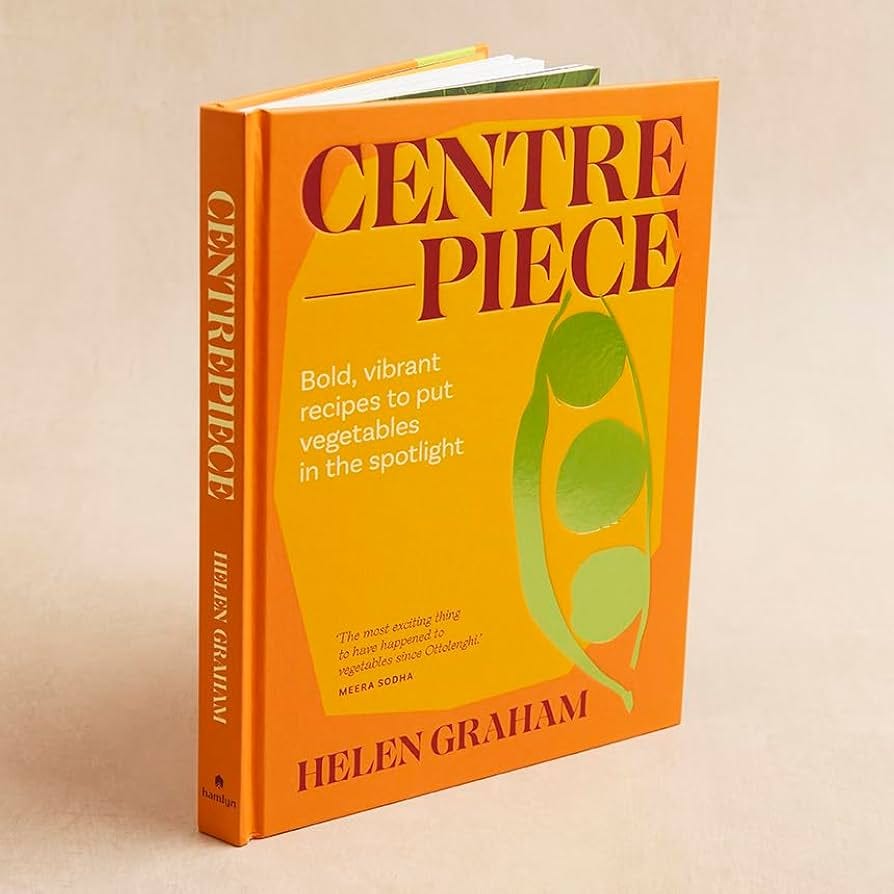
Chef Helen Graham’s Jewish upbringing heavily inspired her latest cookbook, Centrepiece. After working in famous kitchens like the Ottolenghi Test Kitchen, Helen went back to her diasporic roots to create vegetable-forward recipes inspired by cuisines across the Middle East, Eastern Europe and North Africa.
Don’t forget to share your thoughts in the comments, listen, send us your questions, and donate.
Shabbat Shalom Chutzsquad!