
What We Remember, and What We Choose to Forget
Plus: talking with former White House speechwriter Sarah Hurwitz, and a flaky flatbread recipe.
Welcome back to Chutzstack, the Substack for Chutzpod listeners – or our Chutzsquad!
This Substack gives you a weekly dose of Chutzpod to keep you learning and pondering life’s questions, both big and small, and a community space to connect with each other.
You can support Chutzpod by subscribing to the podcast and donating today.
October 3, 2025 // 11 Tishrei, 5785
The team at Chutzpod holds in our hearts the Jewish community of Manchester. In the aftermath of antisemitic attacks on Yom Kippur, we feel the pain of our communities near and far.
We are holding the memory of those whose lives were lost, and honor them by fighting for a world where everyone can gather in holy prayer without the threat or fear of violence.
This week, some words from Rabbi Shira on memory.
My grandmother, Rose Singer, died five years ago at the age of ninety-eight. If you asked her the secret to a long life, she had answers. Her three rules were:
Eat whatever you want.
Insert a little joy into every day.
Remember to forget.
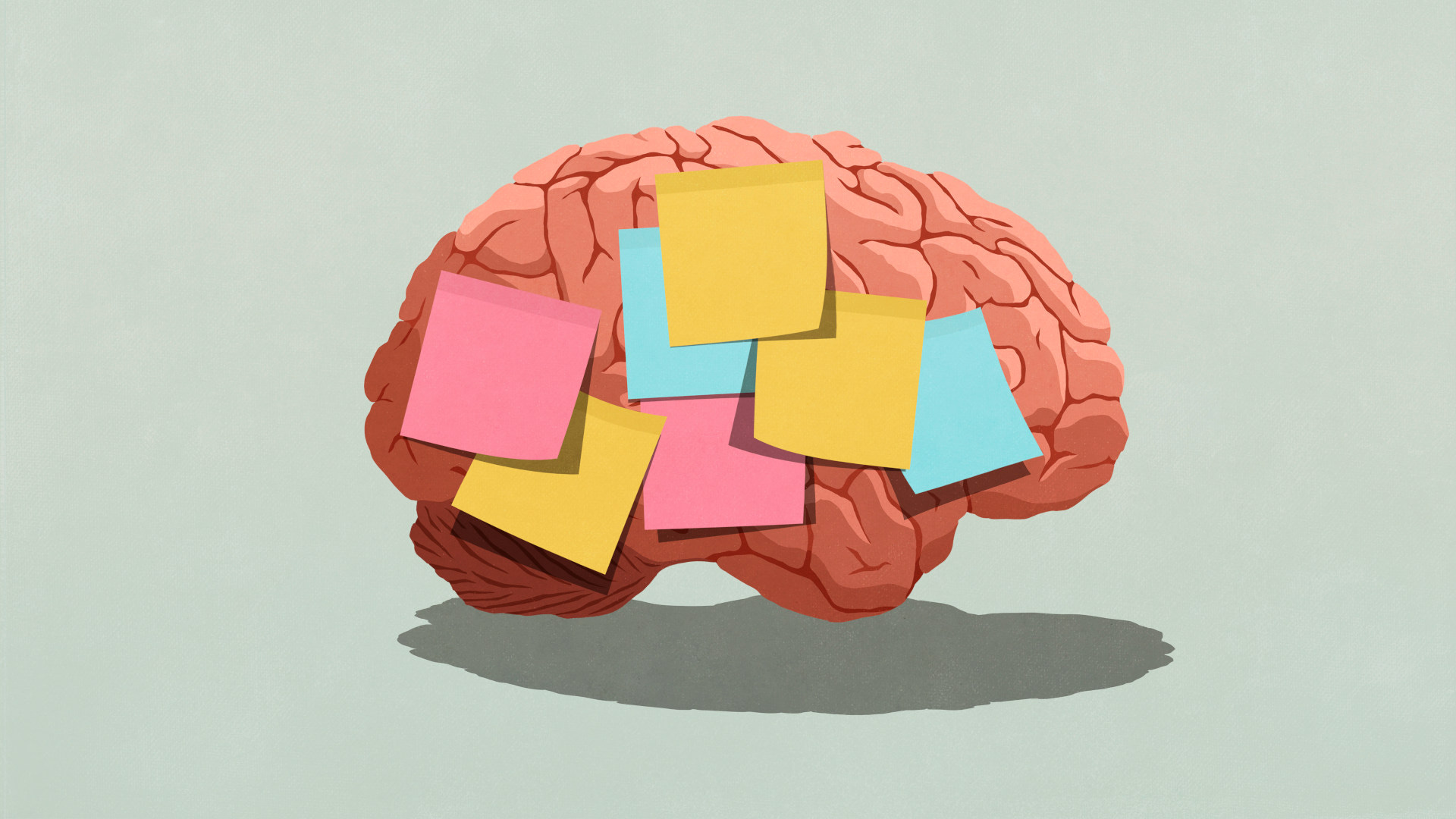
That last one always delighted me because—confession—I have a terrible memory. If I don’t write something down right away, it evaporates. If it isn’t on my calendar, there is exactly a zero percent chance I’ll be there. And the entire reason that I got an Apple Watch is because it can tell me where I put my phone. But my grandmother wasn’t talking about involuntary absent-mindedness. She meant choice. She meant the sacred art of deciding what we will carry forward—and what we will set down.
I find it curious that a woman so deeply Jewish would so value forgetting. Because if Judaism is about anything, it’s memory. We find the word zachor—“remember”—over 200 times in Torah. Jews are a people who remember: Shabbat, the Exodus, Sinai, Amalek, Miriam. On the High Holidays, over and over we pleaded, זָכְרֵנוּ לְחַיִּים, מֶלֶךְ חָפֵץ בַּחַיִּים—“Remember us for life, Sovereign who desires life.” Memory, in our liturgy, isn’t an abstract thought. Memory is a force that moves reality.
And yet our High Holiday machzor also offers us these words: : אָבִינוּ מַלְכֵּנוּ מְחֵה וּקְרַע רוֹעַ גְּזַר דִּינֵנוּ—“Avinu Malkeinu, wipe away and tear up the evil of our decree.”
On the one hand, God remembers all. But this same God blots out our wrong-doings and missed steps. Which is it? Is God’s job to remember or to forget?
Of course, the answer is: BOTH! “Zachor” means calling something to mind in order to act. When the Torah says “God remembers,” God turns memory into motion. In Judaism, memory is not about the past; it is about the future.
In Rose’s memory, I want to propose a simple framework—four ways we can relate to memory, and how to enact this work in the year ahead:
Practice Remembering-toward-life: choose one memory that, if you held it close this year, would make you more generous, braver, kinder. Bring it to mind each Friday night as you light candles. Let it become a habit.
Practice forgetting-toward-life: choose one grievance you have rehearsed into a ritual. If the other party has done teshuvah, bless the release. If they have not, see if, just maybe, you can release it anyway.
Refuse remembering-toward-withering: notice when you start the old story with the old tone. And just stop. Ask yourself: is this making me more truthful and more tender? If not, edit your script.
Refuse forgetting-toward-withering: When you are in a place in which you notice someone–or yourself–trying to sand down the truth so that harm can continue, name it. Remember wisely until repair is real.
As a community, let’s align our communal memory with our mission. Let’s elevate the stories that make us a blessing in this valley: stories of hospitality, courage, learning. Let’s retire the stories that make us small. That is not pretending; that is choosing. It is what my grandmother knew in her bones: remember to forget.
Shabbat Shalom.
Listen
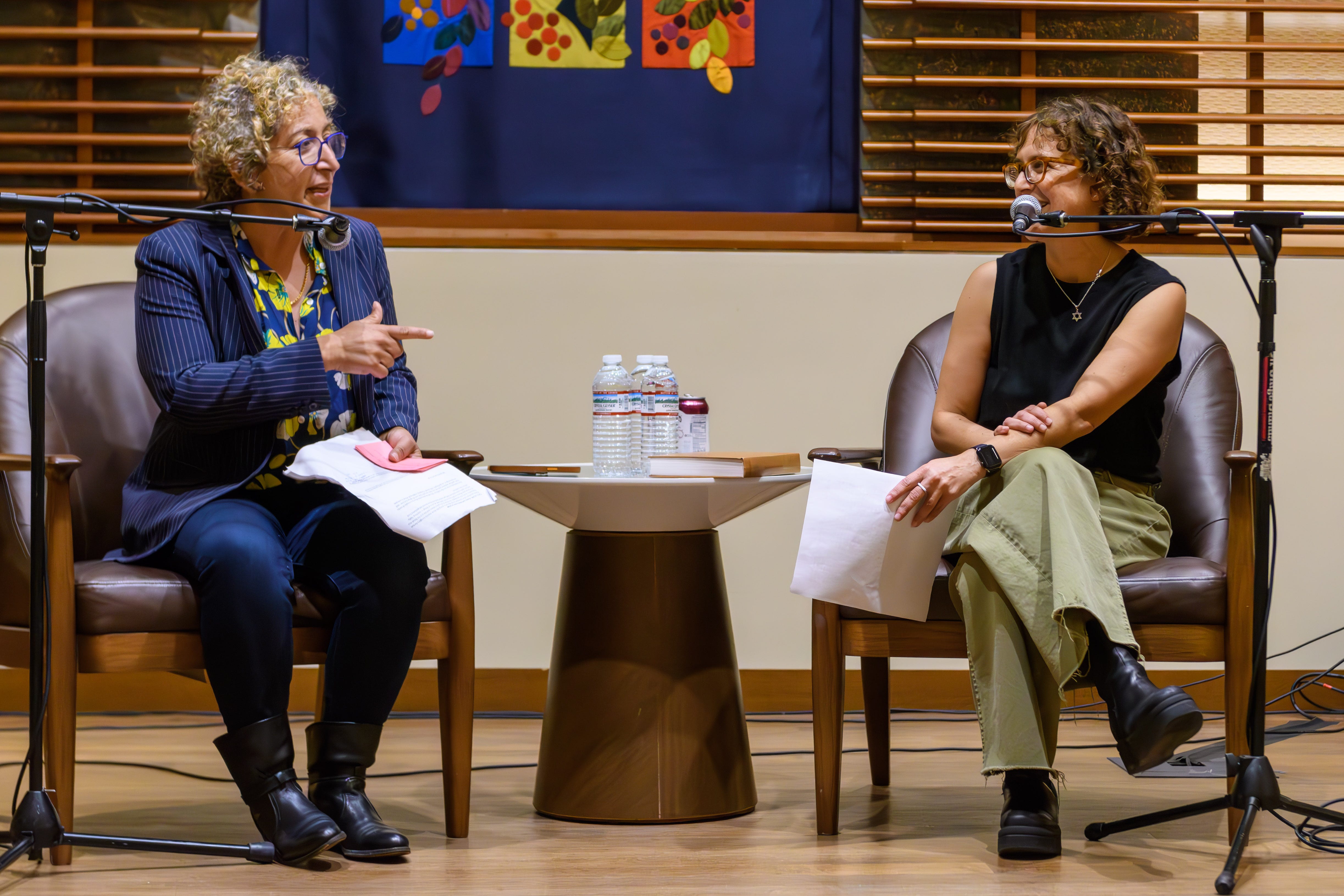
This week on the podcast, we spoke with former White House speechwriter and author Sarah Hurwitz for a conversation about her latest book As a Jew, an urgent exploration of how antisemitism has shaped Jewish identity, the complexities of modern Jewish life, and what lessons Sarah learned from being a hospital chaplain.
Support!
All of us who work in and love public media are devastated at the defunding of NPR and PRX and the shuttering of the Corporation for Public Broadcasting. Independent Jewish podcasts like ours can’t only rely on institutional funding. We need our listeners more than ever! So we’re turning to our community—our extended mishpacha—to keep our conversations alive.
For many years years, we’ve been your space for Jewish voices, stories, and the questions that matter to our community. Now we need your help to continue.
This is tzedakah in action. Not charity, but justice—supporting Jewish learning and conversation for everyone.
Even $5/month helps us cover hosting, editing, and equipment. Every contribution keeps Jewish perspectives in the broader conversation.
Connect
Make sure you’re following Chutzpod, Shira and Hanna on social media.
Follow Hanna on Instagram
Follow Shira on Instagram
Follow Shira on Facebook
Follow Chutzpod on Facebook
Follow Chutzpod on Instagram
Before we go
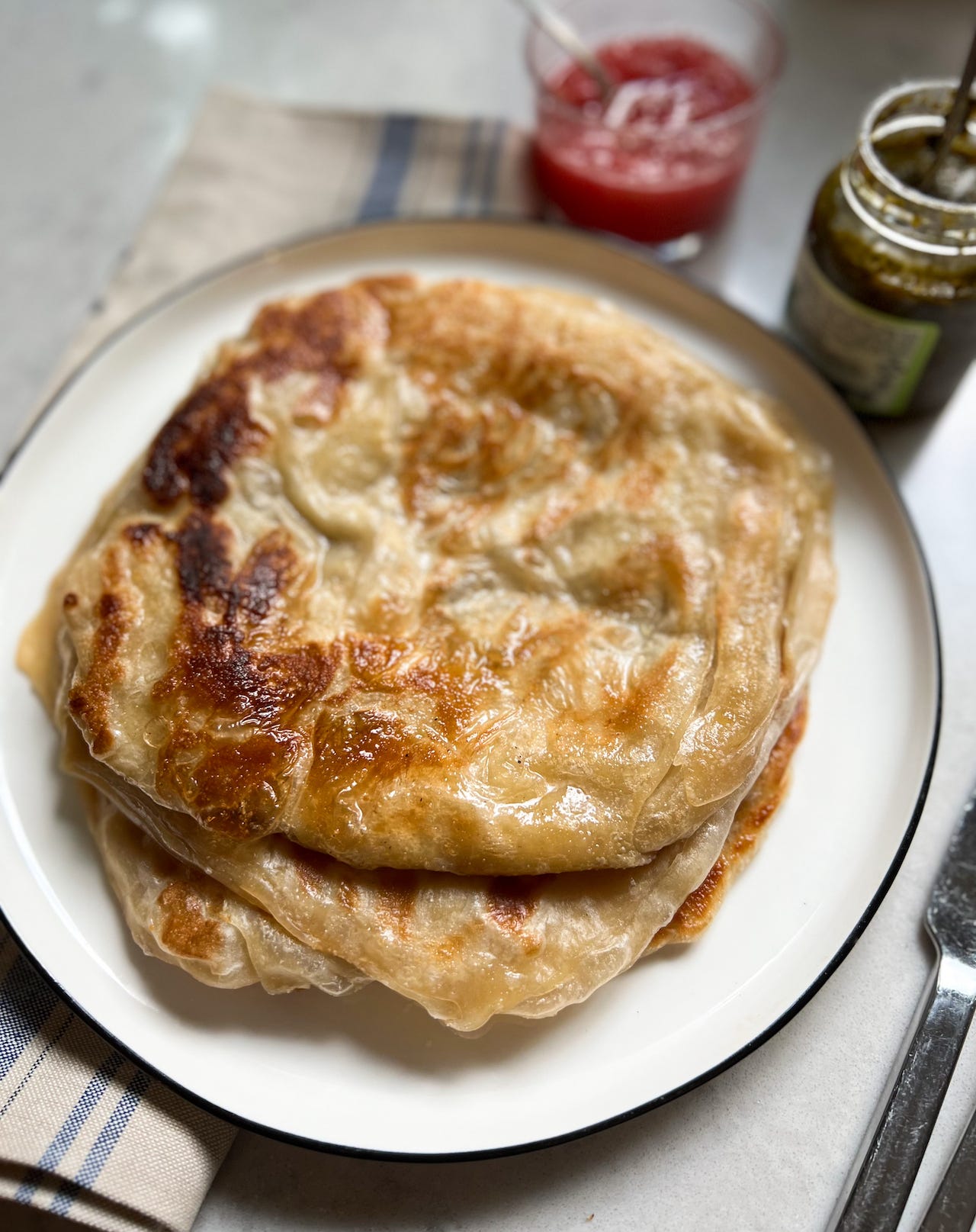
On this week’s show, we talked about the glorious dish malawach, a Yemenite multi-layered flatbread whose flaky texture is mouthwatering delicious. We highly recommend trying it for your next foodie night!
Don’t forget to share your thoughts in the comments, listen, send us your questions, and donate.
Shabbat Shalom Chutzsquad!