
A community guide to grieving
It's not a bummer, we promise

Welcome back to Chutzstack, the Substack for Chutzpod listeners, accomplices, spiritual seekers, and friends.
This Substack gives you a semi-weekly, written dose of Chutzpod to keep you learning and pondering the Big Questions, and a community space to connect with each other.
You can support Chutzpod by subscribing to the podcast and donating today.
September 27, 2024 // 24 Elul, 5784
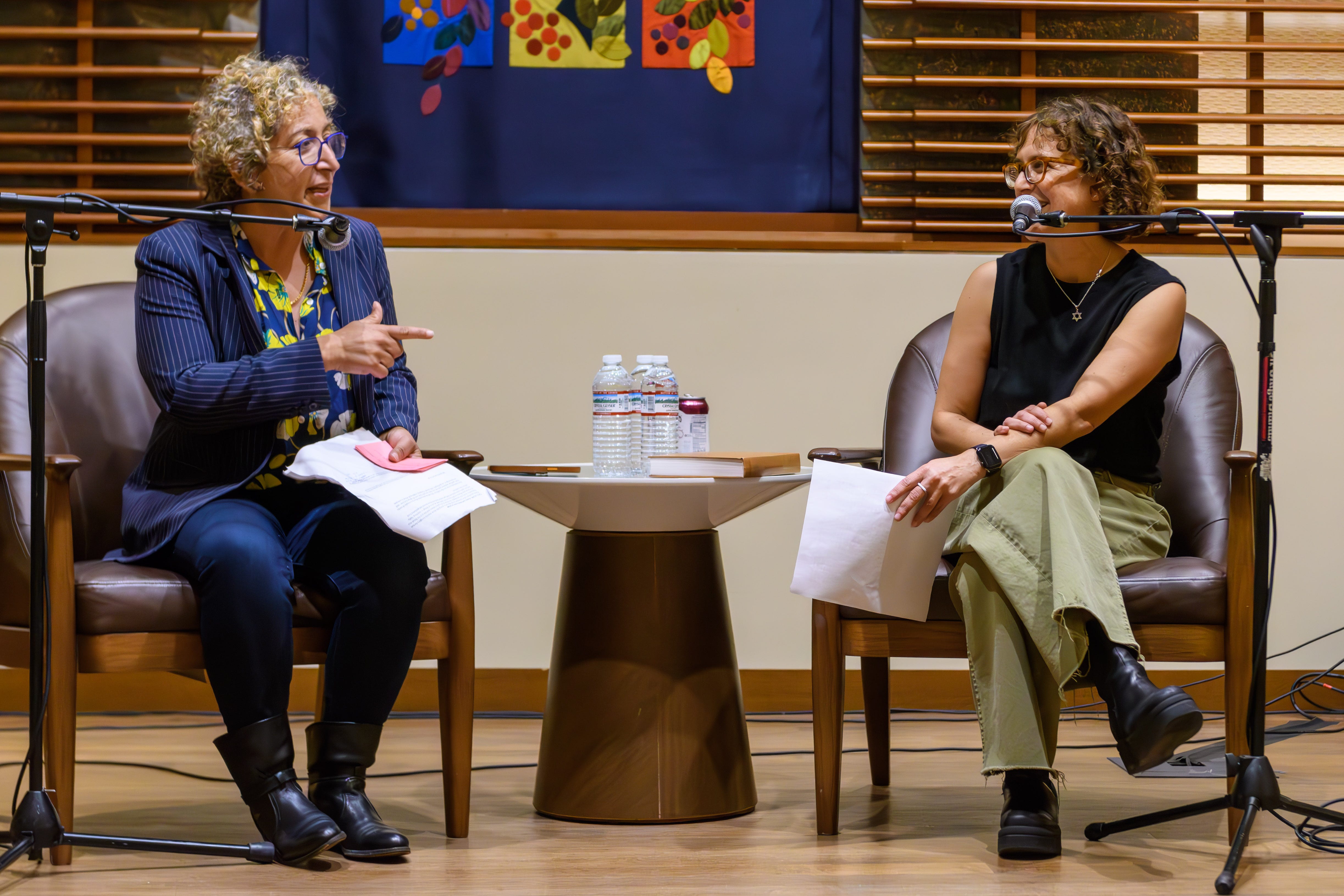
Thank you to everyone who braved the rain to attend the live Chutzpod event at Adas Israel in DC this week. The episode recording will land in your podcast feeds next week; please tell us what you think!
If you want to join the fun, we’d love to come to your synagogue or community group. Email us at chutzpod@gmail.com if you want to host a live Chutzpod episode.
We are nearing the end of Elul, which means that the High Holidays begin next week. We can’t believe it either; despite all our preparations, Rosh Hashanah snuck up on us.
How will you be celebrating? Are you doing anything different this year? How has taking an inventory gone for you? Please share in the comments.

This week on Chutzpod, we spoke to Shelly, a widow figuring out how to move forward after her wife’s sudden passing earlier this year. Shelly’s community stepped up to rally around her, but she found she had limits on the amount of support that felt actually supportive.
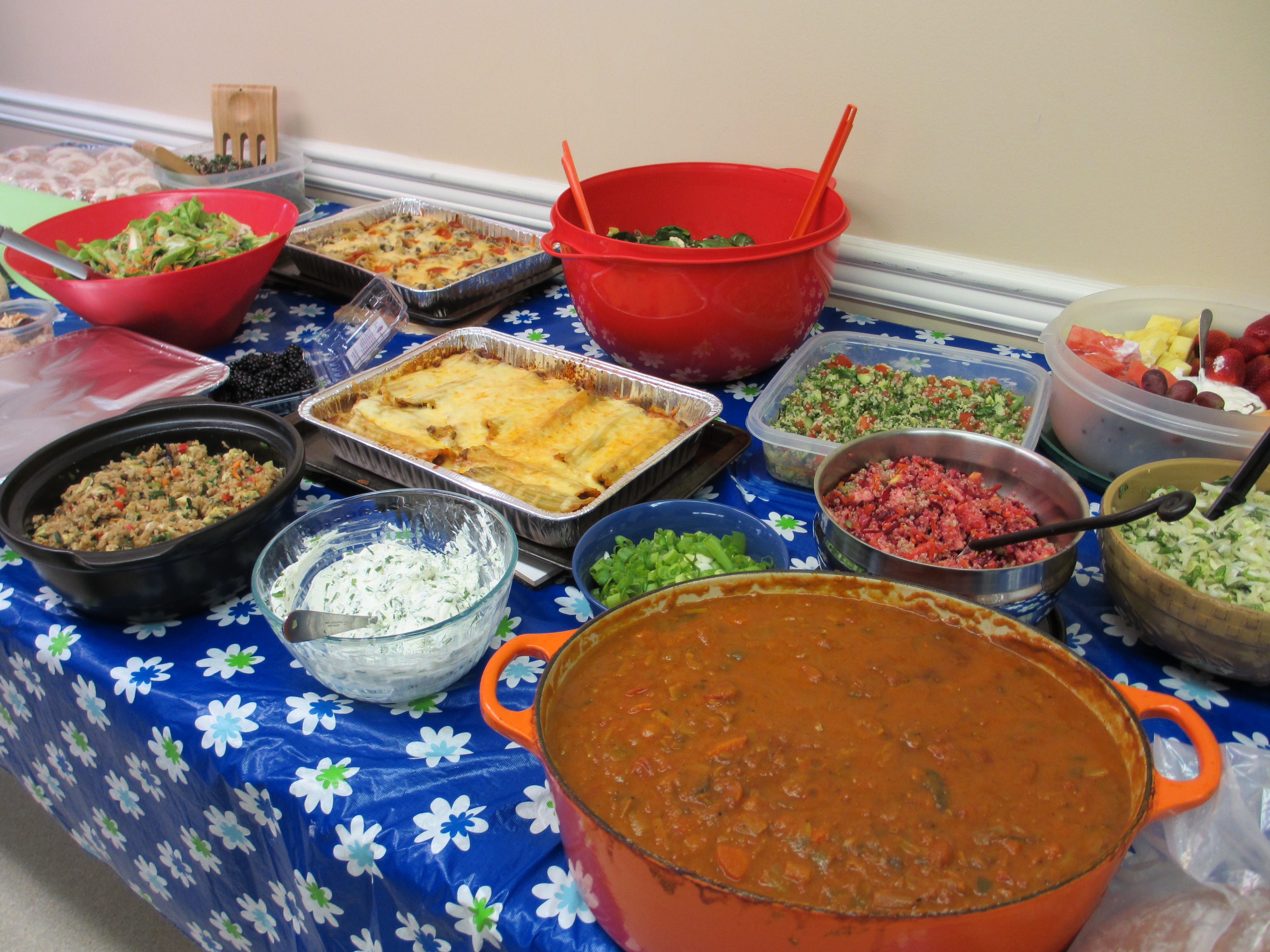
Rabbi Shira and Hanna’s conversation brought up a potentially contentious question: Are meal trains a boost or a burden? They allow you to forget about cooking for a while to focus on healing or family or grieving or self-care. They can also cover the costs of a food delivery. But they can stick you with food that you just don’t like, or force you to deal with endless leftovers. Weigh in: What’s your opinion on meal trains?
Our associate producer Heather Marie loves meal trains. She has a few hot tips for making them effective as an organizer, recipient, or giver.
Space out the days you want food deliveries to avoid amassing leftovers. Scheduling them every 2-3 days (or more) gives the recipient enough time to finish a dish.
Give gift cards for restaurants or delivery services so the recipient can choose what they want to eat. This avoids any awkwardness if the dog gets the casserole you left them.
When setting up a meal train, be specific about the foods you do and don’t want, and any preparations people should be aware of. Not everyone will know you’re a lactose intolerant pescatarian who can’t eat anything spicier than a Chipotle burrito bowl.
Have someone else organize it for you. There’s little a meal train recipient needs more than dealing with logistics.
Invite participants from a broader community. Many synagogues and local organizations have groups dedicated to helping others in need who will rally around recipients like Shelly’s community rallied around her.
If you’re really not into meal trains, offer to do things like pick up groceries, make a pharmacy run, babysit, take them (or their dog) for a walk, give rides, scoop litter, do the dishes and laundry, clean the house, or other life tasks that can feel overwhelming on a good day.
That’s all for us this week. Remember to share your thoughts in the comments, send us your questions, and donate.
Shabbat Shalom, Chutzsquad. May you do an act of kindness for someone in your community.
Maybe this is a more popular opinion than I expected, but I think meal trains are more of a burden than anything. My wife had a big surgery in May and someone wanted to organize a meal train. By organize, that mostly meant asking me for approval on everything, including the purpose-built website she used, menus, and even who would come which day. Then we had to be ready for someone different to visit every single day, which means keeping the house presentable and even managing medication schedules so everyone is conscious for that delivery. On the other hand, the person who signed up for day five and then emailed me a DoorDash giftcard is an absolute saint.
Either everyone needs knowledge of the family and to have really good boundaries, or there needs to be a single person who organizes it and maintains those boundaries on their behalf. Otherwise, it is a burden for the family to have to step in on organization in a time of need.